Church of England's £100M Slavery Reparations Exposed as Built on a Historical Blunder
A prominent historian has challenged the Church of England's controversial plan to pay £100 million in slavery reparations, arguing that the entire initiative is built on a fundamental historical error.

Church of England's £100 Million Slavery Reparations Plan Built on "Deeply Flawed" History, Says Leading Historian
A prominent historian has challenged the Church of England's controversial plan to pay £100 million in slavery reparations, arguing that the entire initiative is built on a fundamental historical error.
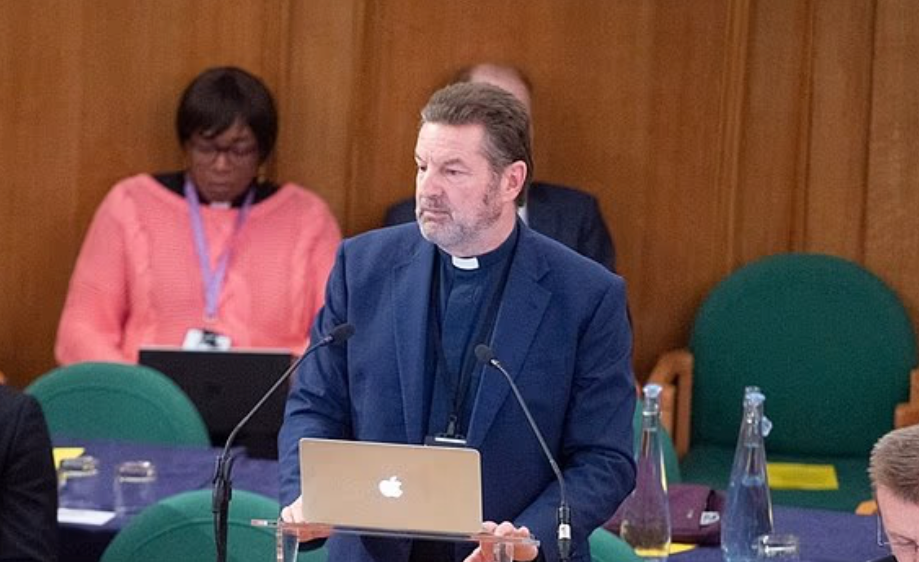
Professor Richard Dale, a Fellow of the Royal Historical Society and a specialist in the history of the South Sea Company, claims there is "incontrovertible evidence" that Queen Anne's Bounty's investments "earned not one penny from the slave trade."
The Church of England's reparations programme, known as "Project Spire," was launched after accountants Grant Thornton concluded that Queen Anne's Bounty, an early 18th century fund supporting poorer clergy, had invested in the South Sea Company, which transported 34,000 enslaved persons to the Spanish Americas.
Grant Thornton estimated the Bounty held £443 million in today's money in those investments until the South Sea Company ceased slave trading in 1739.
The Commissioners' advisers have confused two different companies, each with the words 'South Sea' in their name: the South Sea Company and the separately incorporated annuity company, the Joint Stock of South Sea Annuities.
Professor Dale argues the South Sea Company was split into two distinct entities in the early 18th century. One was involved in the slave trade. The other was essentially a vehicle for investing in government bonds. It was this latter entity, he claims, that the Queen Anne's Bounty actually invested in and profited from.
Historian Exposes Critical Error in Church of England Slavery Reparations Research

Oxford theologian Nigel Biggar has also raised pointed questions about the initiative. He noted that Britain was responsible for transporting roughly 3.258 million of the 12.75 million Africans involved in the transatlantic slave trade, approximately 25 percent. Biggar asked why Britain's involvement deserves singular focus when other nations and groups enslaved far more people. He highlighted that the Fulani people in 1850s Nigeria operated plantations with 4 million enslaved Africans simultaneously.
A December survey of 500 Anglican churchgoers revealed overwhelming opposition: 81 percent said they would prefer the Church's financial resources directed toward local parishes. Nearly two thirds, 64 percent, stated that paying reparations is "not the role of the Church Commissioners, using funds in their care, to atone for previous injustice such as slavery."
The Crusader's Opinion
The Church of England is about to hand over £100 million of its congregation's money based on what appears to be a case of mistaken identity between two companies. Let that sink in. While parishes across England are crumbling, while congregations are shrinking, while the faithful are crying out for spiritual leadership, the Church Commissioners are tripping over themselves to write the biggest guilt cheque in Anglican history based on accounting that cannot distinguish between a slave trading company and a government bond fund. This is not justice. This is institutional self flagellation dressed up as virtue. If the Church truly wants to atone for historical wrongs, it should start by getting the history right.
Take Action
- Speak Up: Contact your local Church of England parish and ask whether they support £100 million being diverted from parish needs for a reparations programme based on disputed historical claims.
- Read the Research: Visit History Reclaimed to read Professor Richard Dale's full analysis and form your own informed opinion.
- Write Your MP: If you are a UK resident, write to your Member of Parliament expressing your views on institutional reparations and how church funds should be allocated.
- Support Persecuted Christians: Instead of misdirected reparations, consider donating to organizations actively helping persecuted Christians today at The Shepherd's Shield or Open Doors.
- Share This Story: Post this article on social media and ask: should the Church be spending £100 million on reparations based on contested history while parishes close their doors?