The Bible's Forgotten Female Leaders Who Judged Nations, Prophesied, And Built The Church
As the world marks International Women's Day on 8 March, a closer look at Scripture reveals a rich tradition of women serving in leadership, prophecy, and ministry throughout biblical history.


Who Were The Female Leaders In The Bible And What Roles Did They Hold?
As the world marks International Women's Day on 8 March, a closer look at Scripture reveals a rich tradition of women serving in leadership, prophecy, and ministry throughout biblical history.
In the Old Testament, Deborah served as both a judge and a prophet during one of Israel's most turbulent periods (Judges 4:4). She led the nation in military strategy and spiritual guidance, ultimately directing the defeat of the Canaanite oppressors after 20 years of conflict.
The Jewish Talmud formally recognizes seven female prophets: Sarah, Miriam, Deborah, Hannah, Abigail, Huldah, and Esther. Miriam received explicit designation as a prophet (Exodus 15:20), as did Huldah, who was consulted by King Josiah's officials on matters of national importance.
Queen mothers in ancient Israel held significant political authority, often serving as regents until their sons reached maturity. The Queen of Sheba (1 Kings 10:1) and Queen Athaliah, who ruled Judah in her own right (2 Kings 11:1), demonstrated that royal authority was not exclusively male.
In the New Testament, the landscape expanded further. Anna was explicitly called a prophet (Luke 2:36). At Pentecost, women received the Holy Spirit and spoke in tongues alongside men (Acts 2:4). The Apostle Peter quoted Joel's prophecy:
"Your sons and your daughters shall prophesy." (Joel 2:28)
Paul's letters reveal women deeply embedded in church leadership. Phoebe served as a deacon (Romans 16:1). Priscilla and her husband Aquila jointly tutored Apollos in theology (Acts 18:26). Of the 29 coworkers Paul commended by name, ten were women, roughly one third of all his named ministry partners.
Paul himself declared the foundational principle:
"All are equal, whether male or female, Jew or Gentile, slave or free." (Galatians 3:28)
Early Church councils, including the Council of Nicaea in 325 AD and the Council of Chalcedon in 451 AD, discussed the role of deaconesses. Byzantine era women like Olympias served as ordained deacons and are still remembered as saints in both Orthodox and Catholic traditions.
Biblical Women Who Shaped The Faith: From Deborah To Phoebe And Beyond
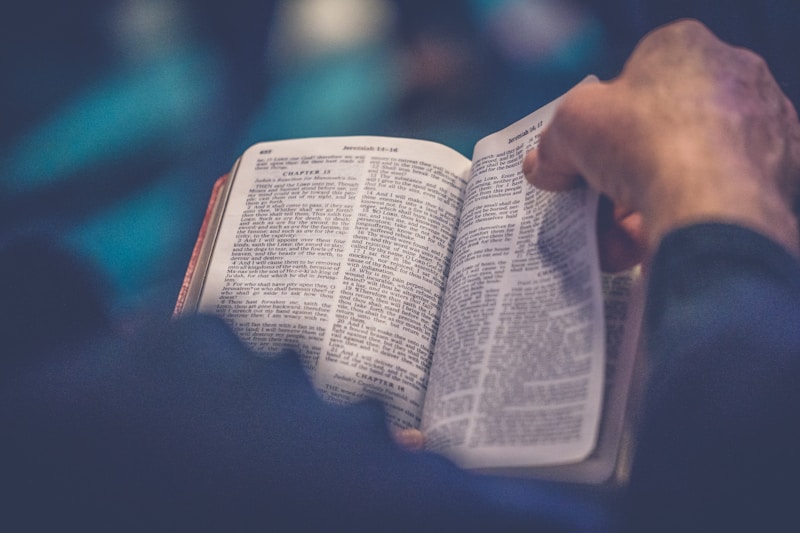
The evidence spans thousands of years, from Old Testament judges and prophets through New Testament deacons, evangelists, and church leaders. Leadership roles described in Ephesians 4:11, including apostles, prophets, evangelists, pastors, and teachers, carried no explicit gender restrictions in the original text.
Philip the evangelist had four daughters who prophesied (Acts 21:9), a fact Paul commended rather than condemned. When Paul addressed women praying and prophesying aloud in 1 Corinthians 11:5, his concern was about head coverings, not about whether women should participate at all.
The Crusader's Opinion
The Bible is not silent on this matter. Scripture records women who judged nations, prophesied the Word of God, led armies, served as deacons, and taught apostles. These are not footnotes. These are central figures in the story of salvation. Any tradition that erases them does not honor Scripture; it edits it. The Church should celebrate and empower the women God has called, just as He did from Genesis to Revelation. Christian unity means recognizing every member of the Body, regardless of who the world says should lead.
Take Action
- Read Judges 4, Romans 16, and Acts 18 this week. Share what you learn about biblical women leaders with your Bible study group or family.
- Support Christian women in leadership by encouraging women in your church who serve in ministry, teaching, and pastoral care roles.
- Donate to organizations supporting persecuted Christian women worldwide: The Shepherd's Shield, Open Doors USA, and Voice of the Martyrs.
- Start a conversation about the seven female prophets of the Talmud at your next church gathering. Many believers have never heard of Huldah, Abigail, or Hannah as prophetic figures.
- Write to your denominational leadership encouraging them to study and teach on the full biblical record of women in ministry.