SCOTLAND JUST MADE IT LEGAL TO KILL PEOPLE WITH DOWN SYNDROME AND EATING DISORDERS

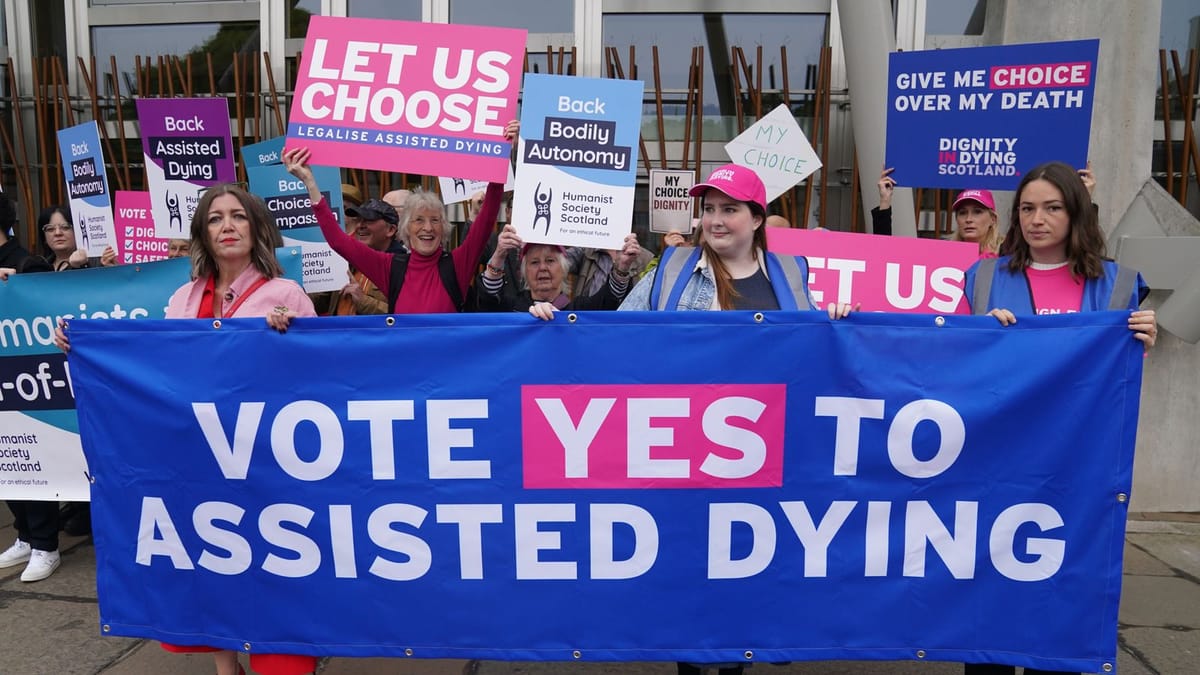
The Scottish Parliament's Health and Sport Committee has rejected multiple proposed safeguards to Scotland's assisted suicide bill, raising concerns from the Catholic Parliamentary Office and disability advocates that vulnerable people will be left open to coercion.
The Assisted Dying for Terminally Ill Adults (Scotland) Bill is currently at Stage 2 of the legislative process, with the Health and Sport Committee examining amendments to the proposal. The Scottish legislation is separate from assisted suicide legislation currently being debated in the House of Lords in Westminster.
Concerns have been raised about the speed of the process, which is currently set to examine all 287 proposed amendments in just three weeks, with only one session per week.
One rejected amendment would have restricted assisted suicide to those with six months or less to live. Independent MSP Jeremy Balfour said rejecting the amendment left the definition of terminal illness "extraordinarily broad." He stated
"As it stands it could include individuals who would live not for weeks or months, but for years. People managing long term conditions, people receiving treatment that stabilises their illness, people who still have meaningful time ahead of them, would all fall within the scope of the Bill as drafted at the moment."
Labour MSP Pam Duncan Glancy also challenged the definition. Diagnosed with juvenile idiopathic arthritis as a baby and a wheelchair user, Duncan Glancy said her condition "is not something I'm going to recover from" and that she could be regarded as "terminally ill" under the proposed bill.
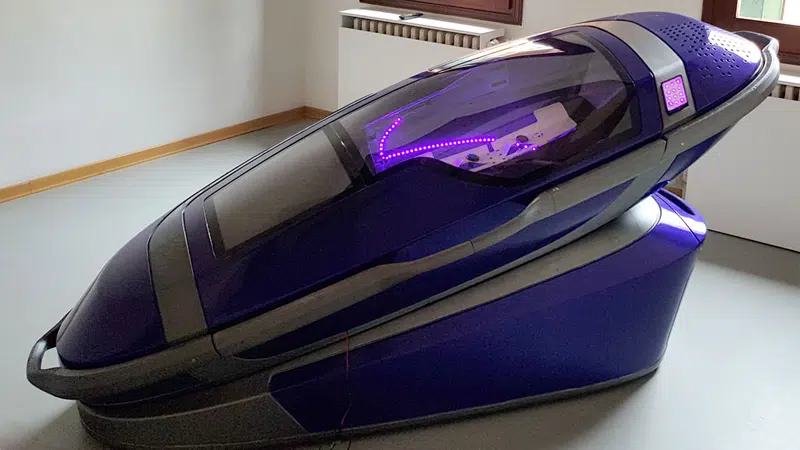
The committee also rejected a proposal by Balfour that would exclude people with non terminal conditions from receiving assisted suicide. Under the bill as it currently stands, eating disorders, loneliness, financial hardship, and Down syndrome could all become reasons a person could opt for suicide.
Anthony Horan, director of the Catholic Parliamentary Office, said the committee's decision to reject such safeguards was deeply concerning. "These amendments were clearly designed to protect some of the most vulnerable people in our communities from being coerced into a premature death: disabled people, those with poor mental health, and people struggling with financial hardship. Their rejection is deeply troubling and suggests a direction of travel that should alarm MSPs right across the Parliament," he stated.
Gordon Macdonald, Chief Executive of Care Not Killing, accused the Committee of adopting "a Swiss cheese approach to legislation: vote it through now despite the holes, and promise to sort it out later. But this isn't a minor policy tweak; it's about life and death. On such a sensitive issue, with such serious risks to the most vulnerable, that attitude is reckless. Scotland deserves better than half finished law making."
Labour MSP Pam Duncan Glancy, Holyrood's first permanent wheelchair user, has denounced the Bill as a "slippery slope." During an earlier debate, she stated while fighting back tears, "Rather than legislating to assist to die, let us resolve to legislate to assist people to live. I genuinely hoped that colleagues would see the risks in the bill. I am convinced that in the end they will not be able to find the safeguards to make it pass."
Scotland's Catholic bishops previously issued a strong condemnation of the Assisted Dying for Terminally Ill Adults bill, saying it "provides a quick, cheap alternative" to care and risks coercing the vulnerable and elderly into feeling a "duty to die." The bishops stated, "The focus must be on providing care, not providing a cheap death."

THE CRUSADER'S OPINION
Scotland just rejected amendments that would protect people with Down syndrome, eating disorders, and financial hardship from being killed by the state.
Read that again.
A wheelchair using MSP testified she would qualify for assisted suicide under this law.
People who could live for years will be eligible to die.
The committee rushed 287 amendments in three weeks.
One session per week.
This is not careful lawmaking.
This is a death assembly line.
Scotland's bishops called it what it is: a cheap alternative to care.
The West has decided some lives cost too much to sustain.
Disabled people, the mentally ill, the poor, they're all burdens now.
Kill them quickly, call it compassion, and move on.
This is evil dressed in medical language.
TAKE ACTION
1. Contact Scottish Parliament: Demand MSPs reject this bill. Email your concerns to sp.info@parliament.scot or call +44 (0)131 348 5000.
2. Care Not Killing: Support opposition to assisted suicide legislation at www.carenotkilling.org.uk or email info@carenotkilling.org.uk.
3. Catholic Parliamentary Office: Support advocacy for vulnerable people in Scotland at www.rcpolitics.org or email anthony.horan@bcos.org.uk.
4. Share this story: Post this article with #ScotlandAsssistedSuicide #ProtectTheVulnerable and tag Scottish MSPs demanding they vote no on this bill.
5. Write to your MSP: Use www.writetothem.com to send a letter explaining that safeguards don't work and assisted suicide laws put vulnerable people at risk.