Justin Welby Admits Hes in Therapy After Covering Up Abuse of 100 Children
Former Archbishop Justin Welby reveals he is seeing a psychotherapist and psychiatrist to cope with his failure over the Church of England abuse scandal.


Former Archbishop Justin Welby Turns to Therapy After Failing Church Abuse Victims
Former Archbishop of Canterbury Justin Welby has revealed that he has been receiving psychotherapy and psychiatric treatment to help him process his sense of "failure" in handling the Church of England's devastating abuse scandal.
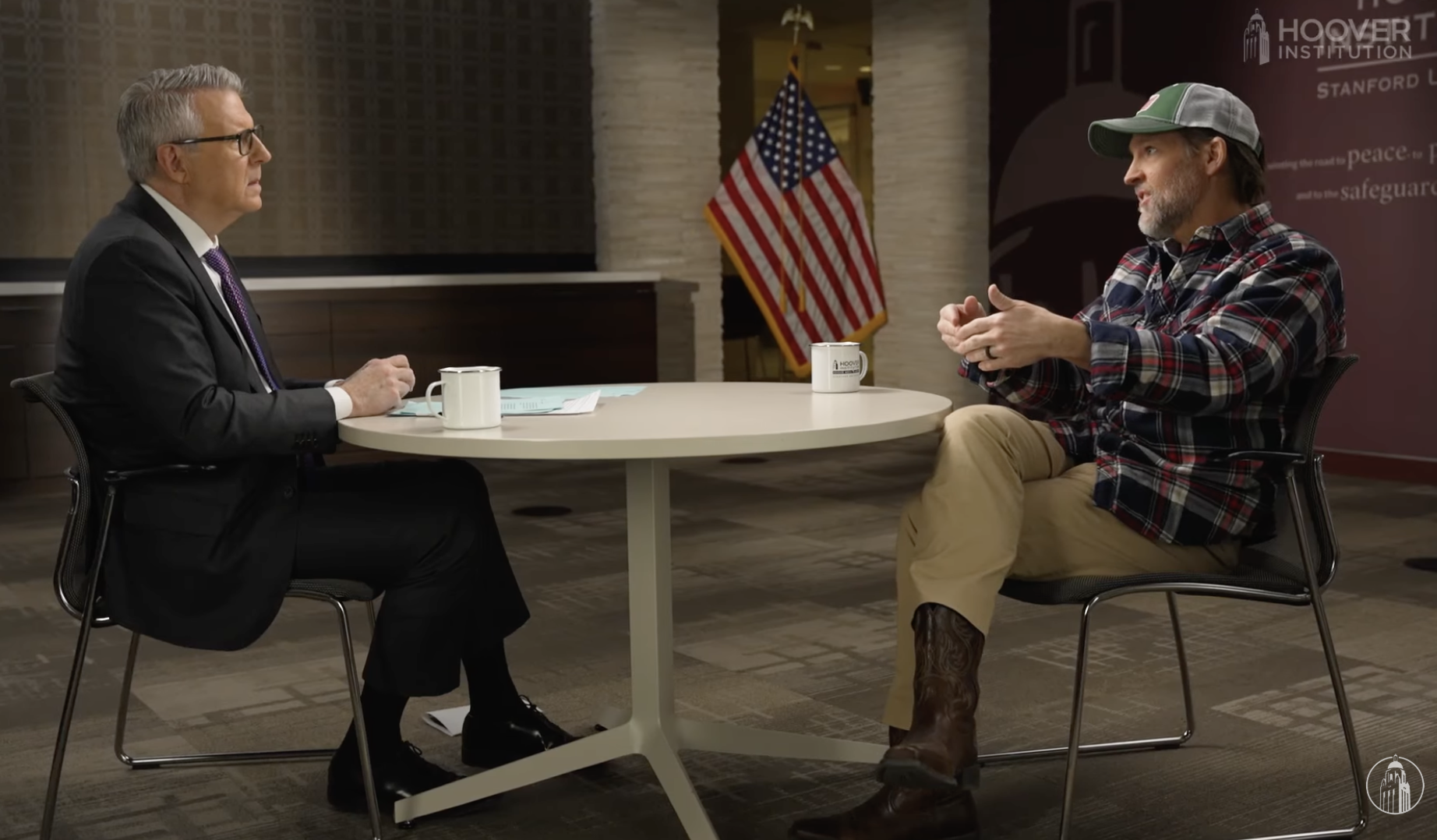
Welby, 70, told the BBC's Laura Kuenssberg that the therapy has been instrumental in helping him understand his response to the crisis. "I've been seeing a psychotherapist for a considerable period of time. And a psychiatrist. Very helpful," Welby stated during the interview broadcast on 30 March 2025.
The former spiritual leader of the worldwide Anglican Communion stepped down in November 2024 after an independent review exposed how senior Church figures, including Welby himself, had maintained what investigators described as a "conspiracy of silence" regarding prolific abuser John Smyth.
Smyth, a British barrister who volunteered at Christian summer camps, subjected more than 100 boys and young men to brutal physical, sexual, psychological, and spiritual attacks across five decades. He died in 2018 at the age of 75 without ever facing justice.
When asked about the therapy, Welby reflected on the process of reckoning with institutional failure.
It's not about saying, 'oh, it didn't matter,' or anything like that, quite the reverse. How does one live with such a failure?
The psychotherapist reportedly helped Welby understand how "one develops an idealisation of an organisation, particularly the Church, and the sense of its failure." Welby also acknowledged that his jocular remarks during his resignation were "entirely wrong and entirely inexcusable," admitting he "wasn't in a good space at the time."
However, survivors have responded with sharp criticism. One victim, identified only as Graham, said the interview frustrated him deeply.
The former Archbishop says he has turned to therapy after his 'safeguarding failure' but then spends the rest of the interview trying to project that he did nothing wrong, need not have resigned, and was subsequently exonerated.
Graham, one of Smyth's victims, added: "There was an awful lot which just had me shouting at the screen saying: 'No, no that's just not right.'" He also stated the Church's 13 year response was worse than the original abuse, saying: "We're the victims and we deserve to know what happened. We don't yet."
When Kuenssberg questioned his claim that he knew nothing of Smyth's behaviour before 2013, Welby responded tersely: "You can believe it or not. I did not have a clue."
Welby Seeks Psychiatric Help While Abuse Survivors Still Await Answers From the Church of England
Critics labelled Welby's interview approach "tone deaf." Journalist Damian Thompson of The Spectator and Rev. Fergus Butler Gallie argued that reflection and meaningful victim engagement would have better served Welby's legacy than another public appearance. Psychiatrist Dr. Raj Persaud questioned whether forgiveness represents an appropriate healing pathway, suggesting Welby's references to police guidance functioned as justification for inaction.
Welby reportedly never personally contacted Graham or apologised, leaving survivors feeling "blanked" and denied answers about their experiences. The Church of England's lead safeguarding bishop subsequently issued a formal statement in response to the backlash from the interview.
The Crusader's Opinion
Let me be blunt. A man who presided over the cover up of the abuse of over 100 children now wants our sympathy because he is in therapy for feeling like a failure. He does not feel like a failure. He is one. Those boys were beaten, violated, and spiritually destroyed under the watch of the Church that was supposed to protect them. John Smyth died a free man. The victims still have no answers. And the former Archbishop's response is to sit on a sofa and tell the nation how helpful his psychiatrist has been. The sheer audacity. Where was this concern for mental health when survivors were begging for accountability? This is what happens when institutional reputation is valued above the broken bodies and souls of the innocent. God sees through every excuse, every deflection, every carefully worded non apology. The Church of England must do better, or it will answer for every single child it failed.
Take Action
- Contact the Church of England's National Safeguarding Team to demand full transparency: churchofengland.org/safeguarding
- Support abuse survivors through the National Association for People Abused in Childhood (NAPAC) helpline: 0808 801 0331
- Write to your local Anglican bishop urging them to prioritise survivor engagement over institutional protection
- Support organisations protecting vulnerable children worldwide at www.TheShepherdsShield.org
- Read the full independent Makin Review into the John Smyth case at Church of England Smyth Review