City Planning Committee Rejects Islamic Development Proposal as Local Residents Raise Safety and Cultural Concerns


A city planning committee has denied approval for a proposed Islamic development project after local residents raised concerns about community impact, safety considerations, and compatibility with existing neighborhood character.
The proposal sought to establish an Islamic facility that would have included a mosque, community center, and related structures on property within a residential area. Developers presented plans arguing the project would serve the local Muslim population and provide religious and cultural services to Islamic community members in the region.
The planning committee voted to reject the proposal following public hearings where area residents expressed opposition based on multiple factors including traffic concerns, potential changes to neighborhood composition, and questions about how the development would affect local property values and community cohesion.
Several residents testified that similar Islamic developments in other communities have resulted in significant demographic shifts, increased calls to prayer that disturbed residential peace, and tension between existing populations and newly concentrated Muslim communities.
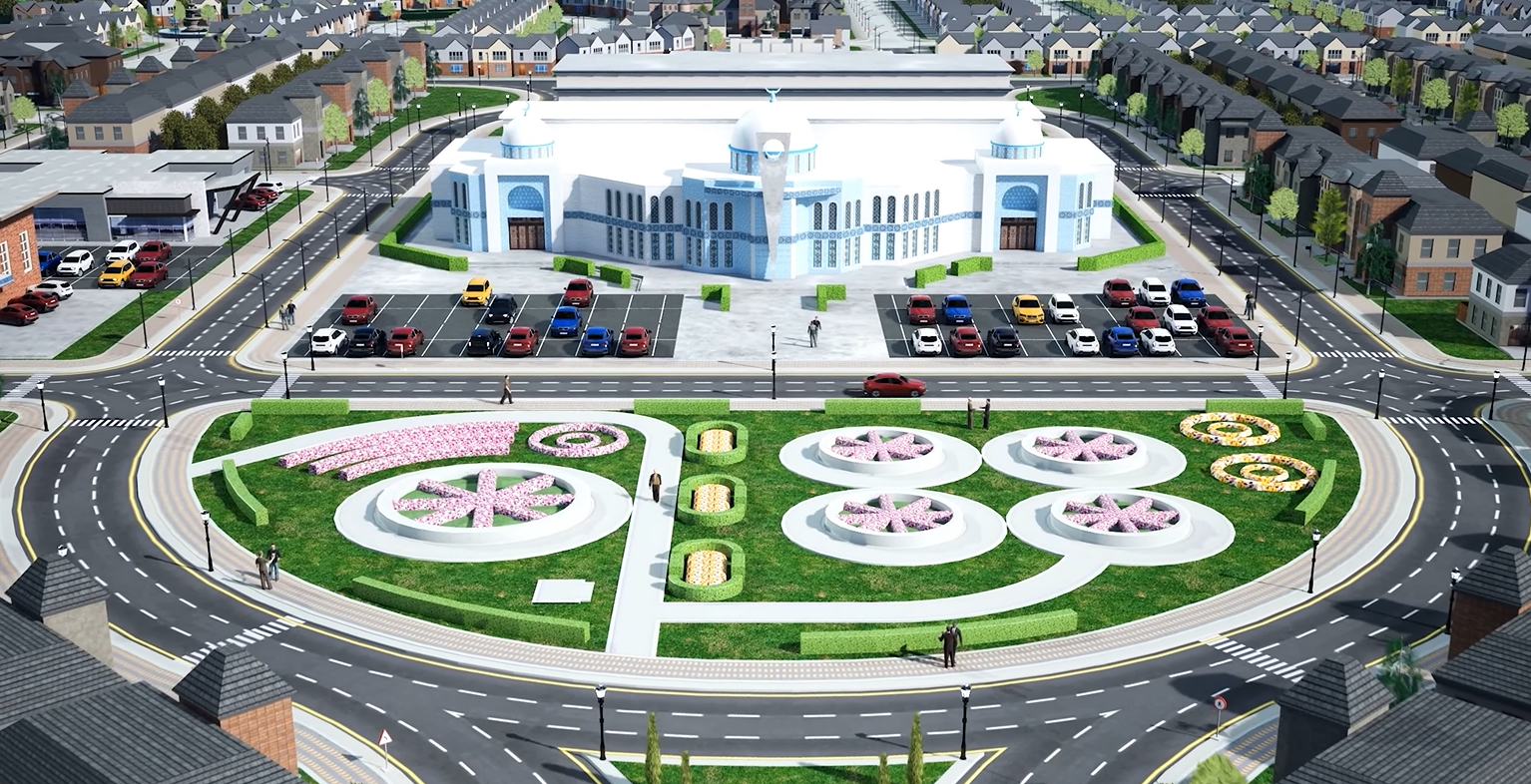
Committee members cited legitimate planning concerns including inadequate parking provisions, traffic impact on residential streets, and questions about whether the proposed facility's scale exceeded what zoning regulations permit for the location. Officials stated the denial reflected standard urban planning considerations rather than religious discrimination.
Islamic advocacy groups immediately condemned the decision as Islamophobic, arguing that the same planning standards would not have been applied to Christian church proposals and that opposition stemmed from religious prejudice rather than genuine planning concerns.
They announced intentions to appeal the decision and potentially pursue legal action claiming religious discrimination and violation of Islamic community rights to establish places of worship.
Local residents who opposed the development rejected accusations of religious bias, stating their concerns centered on practical impacts rather than religious identity. They noted that the neighborhood already accommodates diverse religious communities and that opposition specifically addressed this proposal's scale, location, and projected effects rather than Muslim presence generally.
The controversy reflects broader tensions emerging in Western communities as Muslim populations grow and seek to establish more prominent Islamic institutions in areas traditionally dominated by Christian or secular culture.
Similar disputes have occurred across Europe and North America, with existing residents frequently expressing concerns about rapid demographic change and Islamic facilities' impact on neighborhood character.
Christian residents involved in opposing the development emphasized that their objections stemmed from legitimate concerns about maintaining community standards and preventing disruption rather than anti Muslim sentiment. They argued that religious freedom does not obligate communities to approve every proposed development regardless of planning considerations or neighborhood impact.
The planning committee's decision stands unless successfully appealed, though legal challenges could force reconsideration or result in court ordered approval if discrimination can be proven.

THE CRUSADER'S OPINION
The proposal got denied.
Now Islamic groups claim discrimination and threaten lawsuits.
This is the pattern: propose developments that exceed what regulations allow, then claim religious persecution when denied.
Ignore that Christian churches face the same planning requirements.
Pretend legitimate objections equal religious hatred.
Residents who opposed this aren't anti Muslim. They're anti disruption.
They don't want their neighborhoods fundamentally transformed by facilities that change everything about where they live.
That's not bigotry. That's self preservation.
Islamic advocacy groups know exactly what they're doing: turn every planning decision into a religious discrimination case.
Force approval through intimidation.
Call opposition Islamophobia until committees cave.
This committee didn't cave.
Good.
TAKE ACTION
Support Local Planning Authority: Contact the city planning committee and thank them for applying standards equally regardless of religious identity.
Express support for decisions based on legitimate planning considerations rather than fear of discrimination accusations.
Attend Future Planning Meetings: Show up when similar proposals are considered. Public presence matters.
Planning committees need to see that residents support fair application of regulations without religious exemptions.
Start a Conversation: Ask people: "If a Christian church proposed the same development and got denied for legitimate planning reasons, would anyone call it religious persecution? Why do Islamic proposals get special treatment where opposition automatically equals bigotry?"
Challenge the double standard that treats concerns about Islamic facilities differently than identical concerns about Christian ones.
Know Your Rights: Citizens can oppose developments based on legitimate planning concerns without being labeled bigots.
Traffic impact, parking, scale, zoning compliance, and neighborhood compatibility are all valid objections regardless of who proposes construction.
Support Religious Freedom Organizations: Not all religious freedom means automatic approval for every proposal.
Support groups that defend actual religious liberty while recognizing that planning regulations apply to everyone.
Document Everything: If Islamic developments get proposed in your area, document all legitimate concerns in writing.
Focus on specific planning issues, not religious identity.
Create records showing opposition based on concrete impacts, not prejudice.