Ancient Christian Art Discovered in Turkey Predates Council of Nicaea

Archaeological Find Reveals Early Church's Visual Worship Practices Before 325 AD
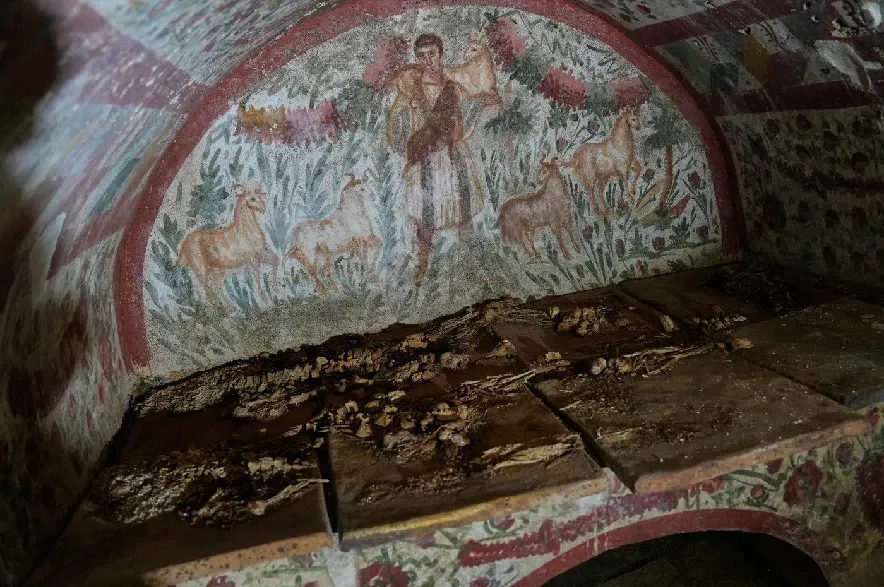
Archaeologists in Turkey have uncovered pre Nicene Christian art that predates the Council of Nicaea in 325 AD, providing remarkable evidence of how the earliest Christian communities expressed their faith through visual imagery.
The discovery challenges common assumptions about early Christian worship and offers insight into the theological and artistic practices of believers who lived within three centuries of Christ's earthly ministry.
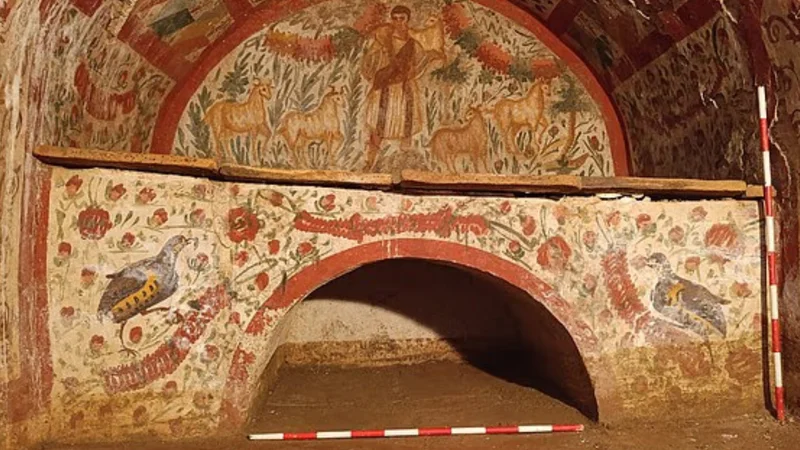
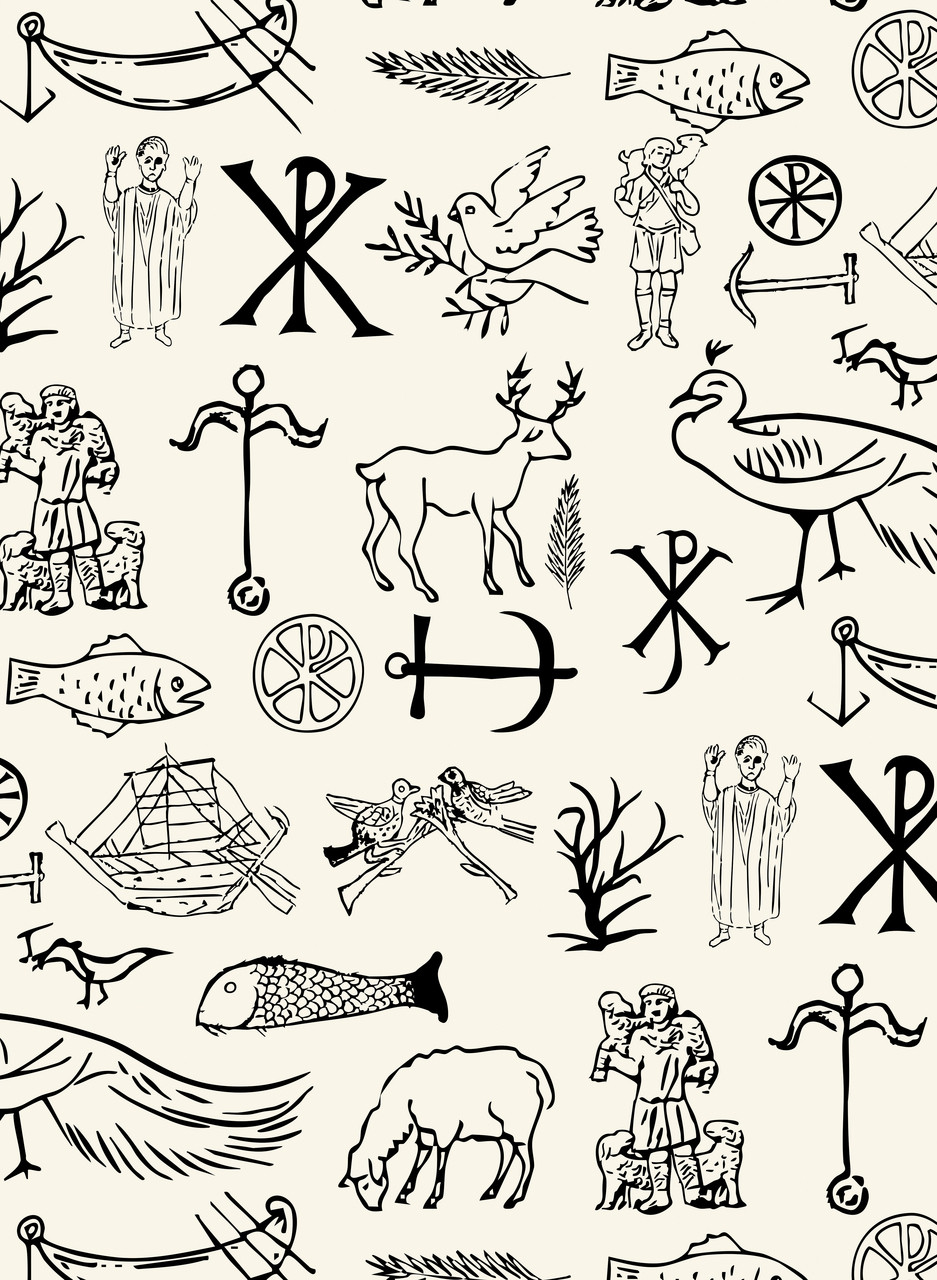
The artwork, found during excavations at an ancient Christian site, includes symbolic representations common to early Christianity such as fish symbols, anchors, doves, and grape vines.
Researchers noted that the artistic style and iconographic elements demonstrate sophisticated theological understanding among early Christians, who used visual language to communicate biblical truths and Christian identity in contexts where open worship often meant persecution and death.
Early Christian Symbols Reveal Continuity of Visual Worship Traditions
The pre Nicene art provides archaeological confirmation that early Christians embraced visual representations of their faith long before the theological debates that would later surround iconography in the Byzantine period.
The discovered imagery shows clear connections to scriptural themes, with symbols representing Christ, salvation, the Eucharist, and eternal life rendered in styles that would influence later Christian artistic traditions.
Scholars examining the site emphasized that these early Christians lived under Roman persecution and used art as a way to identify fellow believers, teach Christian doctrine, and maintain faith in hostile environments.
The artwork's preservation in Turkey, historically known as Asia Minor and home to many churches addressed in the New Testament, adds historical weight to understanding how Christianity spread and developed in its earliest centuries.
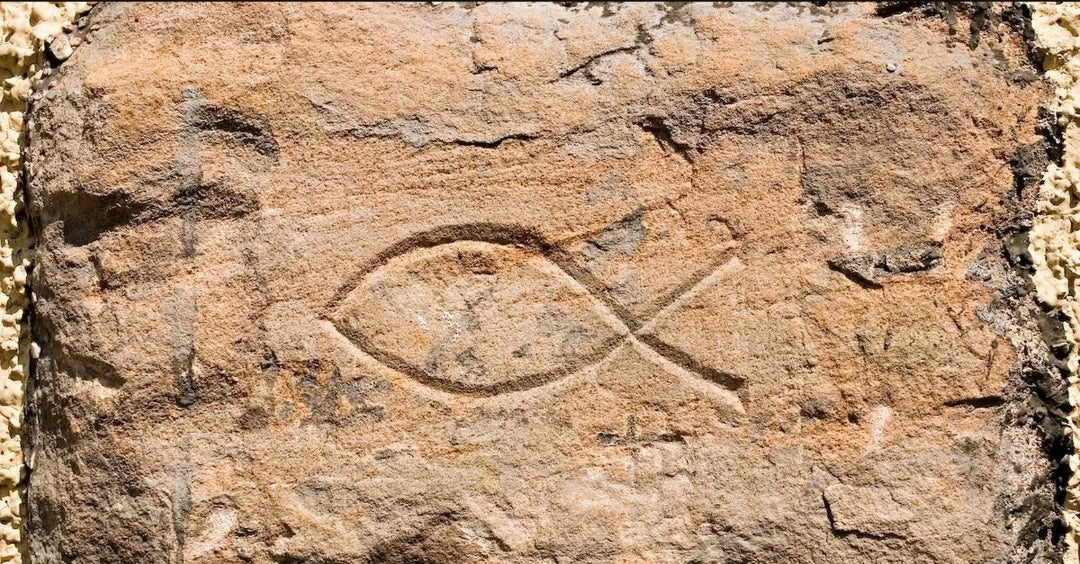
The discovery contributes to ongoing discussions about the role of visual worship in Christian tradition, demonstrating that the use of religious imagery was not a later innovation but rather part of authentic early Christian practice rooted in the apostolic era's immediate aftermath.
THE CRUSADER'S OPINION
Christians were painting Christ before the Council of Nicaea even met.
Before theological debates about iconography, believers used visual language to worship and teach.
Fish, anchors, doves, vines carved into stone by hands that knew persecution firsthand.
These weren't innovations or corruptions.
This was how Christians worshipped when following Jesus meant death.
The Orthodox and Catholic traditions of sacred art trace directly back to these earliest believers.
Iconography isn't medieval superstition added later.
It's ancient Christian practice from the apostolic age itself.
While iconoclasts claim images violate the second commandment, these early Christians understood the Incarnation changed everything.
God took flesh.
The invisible became visible.
And Christians honored that reality through sacred art.
Modern evangelicals who strip churches bare and mock iconography as idolatry stand in opposition to 2,000 years of unbroken Christian practice.
These Turkish discoveries prove the early church knew something contemporary Christianity has forgotten.
TAKE ACTION
Support Archaeological Research: • Biblical Archaeology Society: www.biblicalarchaeology.org/donate (funds Christian archaeology) • Email: customer.service@biblicalarchaeology.org | Phone: 1-800-221-4644
Early Church Studies: • Society of Biblical Literature: www.sbl-site.org/membership (advances biblical scholarship) • Email: sbl@sbl-site.org
Christian Heritage Preservation: • Eastern Christian Studies: www.easterncatholic.org/donate (preserves ancient Christian traditions) • Email: contact through website
What You Can Do Today: • Study the theological foundations of Christian iconography and sacred art in early church writings • Support archaeological efforts preserving ancient Christian sites in Turkey and the Middle East • Visit museums with early Christian art collections and share findings on social media • Educate your church community about the historical continuity of Christian visual worship practices