"Prophet" Caught Stealing God's Words: The Prophetic Plagiarism Scandal Shaking the Charismatic Church
Allegations of prophetic plagiarism are rocking the charismatic church world as pastor and self described prophet Jeremiah Johnson faces mounting claims that he presented other ministers' prophetic words as his own divine revelations.

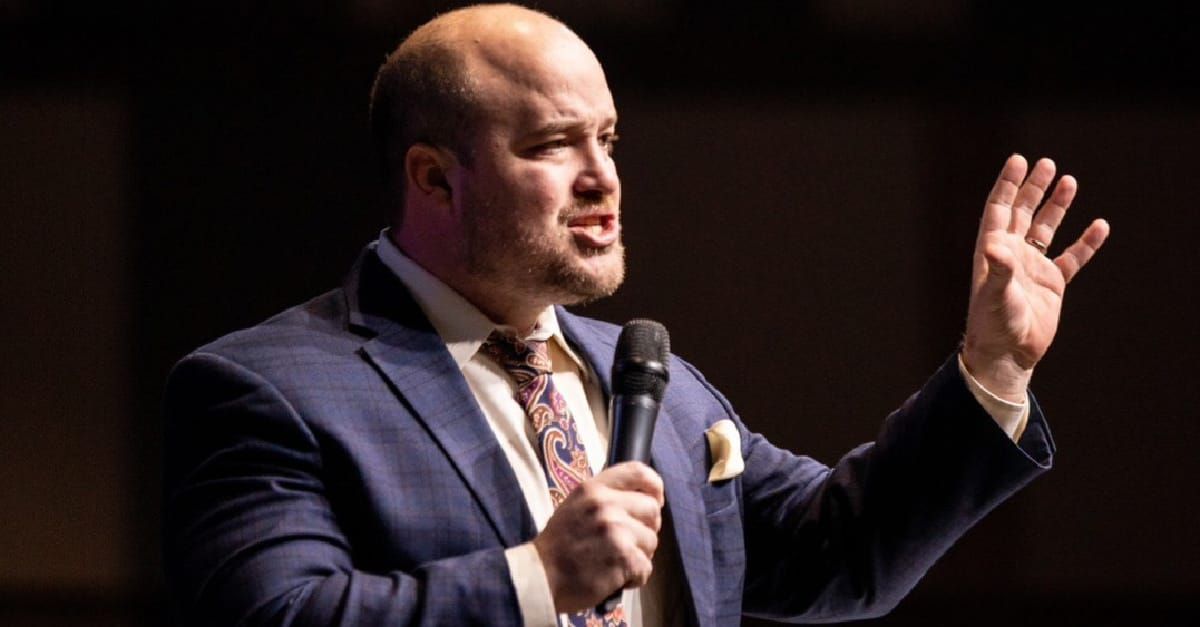
Prophet Jeremiah Johnson Accused of Stealing Prophetic Words From Other Ministers
Allegations of prophetic plagiarism are rocking the charismatic church world as pastor and self described prophet Jeremiah Johnson faces mounting claims that he presented other ministers' prophetic words as his own divine revelations.
Author and prophetic voice Wanda Alger addressed the growing scandal in a column for The Christian Post on April 4, 2026, calling the practice "highly unethical and totally unacceptable for any leader of integrity."
Alger defined prophetic plagiarism as taking "the work or an idea of someone else and pass it off as one's own," which she says Scripture identifies plainly as stealing. She pointed to Jeremiah 23:30, where God declares His opposition to "prophets…who steal My words from one another."
It is important to recognize that any additional revelation I receive only came because of the original word from someone else.
The scandal surrounding Johnson has been building for months. His own brother Josiah Johnson previously came forward claiming Jeremiah faked pro Trump prophecies and used a personal poem called "the boom in the upper room" as a prophetic message without credit. Johnson also allegedly plagiarized a post about Ruth Bader Ginsburg from another pastor.
Alger warned that social media monetization has made the problem worse. Platforms that reward large followings with ad revenue have created an environment where "profiteers will copy and plagiarize authentic words without restraint."
She called on believers to hold prophetic voices accountable, insisting that Christians should "never accept copied words or second hand revelations" and must learn to recognize them when encountered, stating that "Scripture actually demands it."
The author emphasized that while being inspired by another person's teaching is natural, proper attribution remains essential. When sharing another's message, ministers must "cite the original source and give credit where credit is due."
Charismatic Leaders Under Fire for Plagiarizing Prophecies and Stealing Divine Revelations

The controversy reflects a broader crisis of accountability within charismatic Christianity. Multiple leaders have faced exposure in recent months for sexual immorality, fraudulent behavior, and now intellectual theft of prophetic words.
Alger's column referenced Romans 13:7 and the biblical principle of honoring others, arguing that taking "someone else's revelation, inspiration, teaching, or prophecy" and attributing it to direct divine inspiration represents a fundamental betrayal of trust between a minister and their congregation.
The Crusader's Opinion
The prophetic gift is one of the most sacred callings in the Body of Christ, and watching men turn it into a content farm for social media clout is stomach turning. When a so called prophet steals another man's word from God and slaps his own name on it, he is not just plagiarizing. He is bearing false witness before the Almighty. Jeremiah 23:30 is not a suggestion. It is a warning from the throne room of Heaven itself. The charismatic church must stop protecting famous names and start protecting the integrity of the prophetic office, or God Himself will do the house cleaning.
Take Action
- Demand accountability from your church leadership. Ask your pastor directly how prophetic words are vetted and sourced in your congregation.
- Support ministries that uphold integrity in prophetic ministry. Visit www.TheShepherdsShield.org to support the defense of authentic Christian voices.
- Read Wanda Alger's full column at The Christian Post and share it with your church community.
- Study the biblical tests for prophecy in Deuteronomy 18:20-22 and 1 John 4:1 so you can discern authentic prophetic words from stolen ones.
- If you witness prophetic plagiarism, contact the original source and let them know their work is being used without credit.