Don Lemon Indicted: The First Amendment Does Not Protect Storming a Church
Don Lemon faces federal charges after covering a protest that disrupted worship at a Minnesota church, raising questions about press freedom and religious liberty.

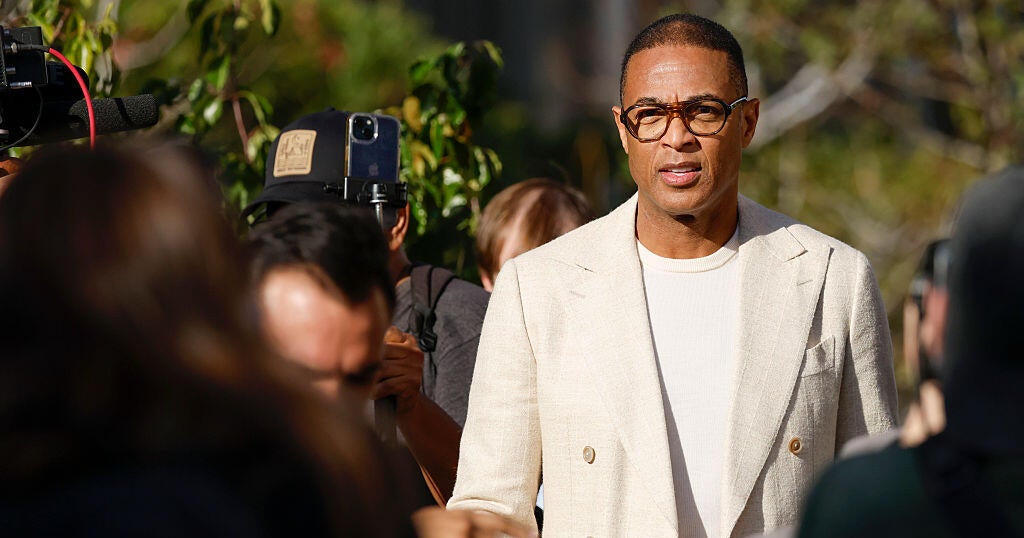
Don Lemon Indicted on Federal Charges: Where Does the First Amendment End for Journalists?
Former CNN anchor Don Lemon has been indicted by a federal grand jury in Minnesota on charges of conspiracy against religious freedom and interfering with the exercise of religious worship at a place of worship. The charges stem from his presence at a January 18 anti ICE protest that disrupted services at Cities Church in St. Paul, Minnesota.
Lemon was arrested by FBI and Homeland Security agents in Beverly Hills on January 30 while covering the Grammy Awards. He appeared in federal court in Los Angeles, where a judge released him on his own recognizance without bail.
The indictment was the government's fourth attempt to file criminal charges in the case. A magistrate judge, a federal judge, and the United States Court of Appeals for the Eighth Circuit all refused to sign arrest warrants before the Department of Justice took the case to a grand jury.
On February 14, Lemon pleaded not guilty to all charges at his arraignment in St. Paul. His attorney stated that Lemon was simply doing "constitutionally protected work" by documenting the protest at the church.
"We're not part of the activists, but we're here just reporting on them."
Don Lemon said on Instagram during the protest.
Legal analyst and former senior adviser to President Trump, Jenna Ellis, wrote in a Christian Post op ed that the case raises a critical constitutional question about where press freedom ends and criminal liability begins.
"The First Amendment is not a magic cloak. Journalists remain subject to criminal liability when they coordinate movements, direct participants, obstruct law enforcement, or materially assist illegal conduct."
Jenna Ellis wrote.
Ellis emphasized that religious worship receives heightened constitutional protection, and that storming a church during services threatens constitutional liberty at its root. Courts have consistently drawn firmer lines when demonstrations disrupt worship.
Minnesota Attorney General Keith Ellison called the arrests "deeply troubling," saying: "In Minnesota, we do not treat journalists like criminals for doing their jobs."
Civil rights attorneys have predicted the charges may ultimately be dismissed, citing flaws in the application of the FACE Act. The case has become a flashpoint in the national debate over press freedom, religious liberty, and equal justice under law.
Federal Charges Against Don Lemon Spark National Debate Over Press Freedom and Religious Liberty
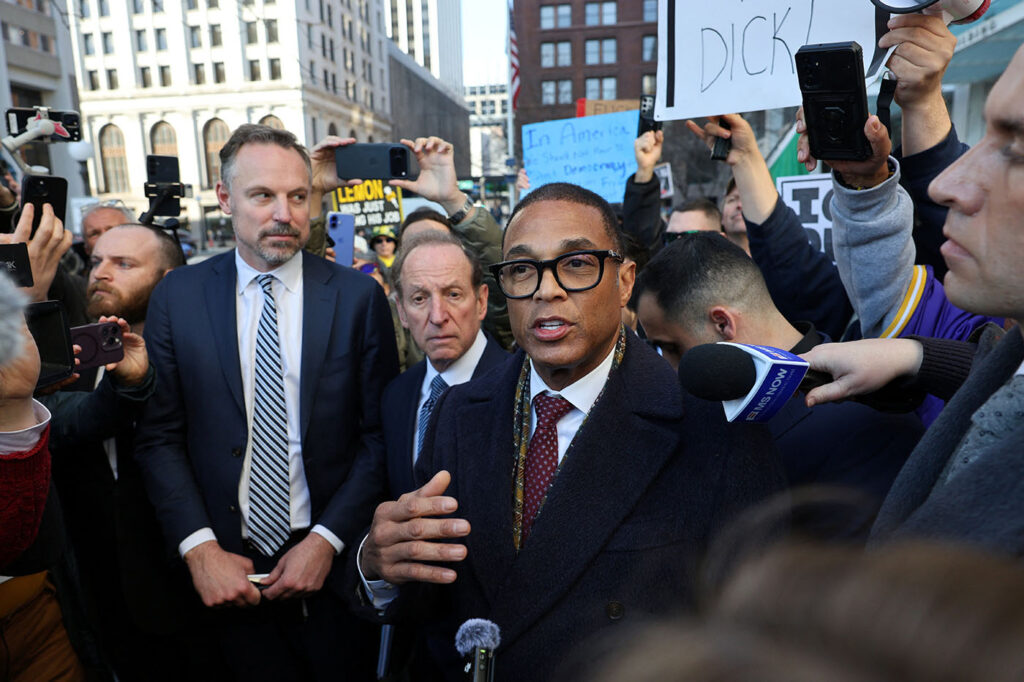
Ellis argued that constitutional principles cannot be selectively applied based on political sympathy. She compared the reactions to the Lemon case with responses to January 6th, noting that equal justice under the law is what separates constitutional government from mob rule.
The core legal question remains: Did Lemon act as a journalist observing events, or did he cross the line into actively participating in criminal conduct? The answer will have sweeping implications for press freedom and religious liberty across the nation.
The Crusader's Opinion
Let me be absolutely clear: a church is sacred ground. When protesters stormed Cities Church during worship, they violated the most fundamental right every Christian holds dear. And yet, much of the media class is treating this as a press freedom issue while ignoring the families whose worship was shattered. Imagine if a Christian journalist embedded with a group that stormed a mosque during Friday prayers. The outrage would shake the foundations of every newsroom in America. But when it happens to Christians? Suddenly the conversation shifts to defending the journalist. Jenna Ellis is right. The First Amendment protects speech, not lawbreaking disguised as journalism. You cannot hide behind a press badge while people of faith are terrorized in their own sanctuary. Defend the church. Defend the worshippers. And hold everyone equally accountable under the law.
Take Action
- Pray for the congregation of Cities Church in St. Paul, Minnesota, and for all Christians whose worship has been disrupted by politically motivated protests.
- Contact your U.S. Senators and Representatives to voice support for the FACE Act and the protection of religious worship. Find your representatives at congress.gov.
- Support organizations defending persecuted Christians worldwide: donate at www.TheShepherdsShield.org.
- Support Alliance Defending Freedom, which defends religious liberty in court cases across America: adflegal.org.
- Talk to your church leadership about security plans for worship services and invite local law enforcement to partner with your congregation.