Bishop Says Brexit Was National Pride, Not Racism. Ten Years Later, Nothing Has Changed
Bishop Philip North of Blackburn says the Brexit vote was driven by national pride, not racism, and that the divisions remain unaddressed a decade later.


Bishop of Blackburn Philip North Says Brexit Was About National Pride, Not Racism
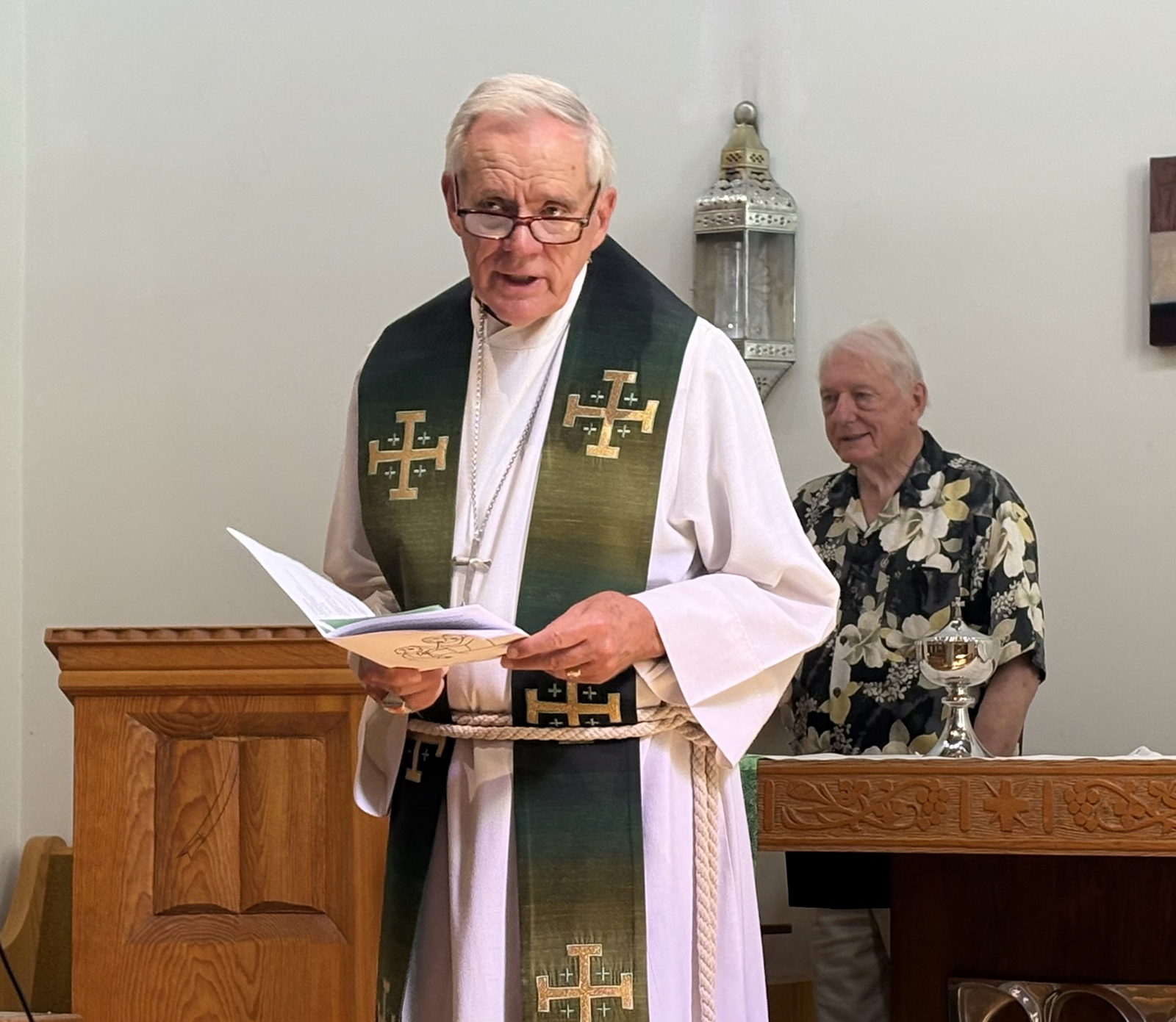
The Bishop of Blackburn, the Rt Revd Philip North, has declared that the 2016 Brexit vote was driven by national pride rather than racism or xenophobia. Speaking in an exclusive interview with the Daily Express, Bishop North said many people in his diocese voted to leave the European Union because they wanted to reclaim a sense of British identity that they felt had been eroded by globalist forces.
Every borough in the Diocese of Blackburn voted Leave in the 2016 referendum, making it one of the most pro Brexit regions in England. Bishop North is the Church of England's spiritual leader for Lancashire and has been outspoken about the disconnect between Church leadership and working class communities.
At the time of the debate, I remember a lot of criticism, particularly coming from Church circles of those who voted for Brexit, giving false motives for that vote. Some were saying it was simply a xenophobic, racist vote, others saying it was a protest vote, an angry vote. What I saw was actually people voting for a particular vision of nation.
Bishop North explained that many Leave voters believed their national identity had been eroded over a number of years by what he described as a globalist EU project and other pressures.
He also acknowledged that concerns about immigration played a significant role in the Brexit debate, noting that people want to have influence over the composition of their local communities.
However, Bishop North cautioned against isolationism. He warned that Britain must maintain strong alliances with European nations and other partners, citing what he called "a rogue American government" and shifting global power dynamics as reasons for continued international cooperation.
I still see many people who feel embarrassed to speak about pride in nationhood, pride in the Royal Family and in the Armed Forces, as if that is somehow a language of the past.
The Bishop called for a "really important national conversation about what it means to be British" and stressed that the divisions that led to the Brexit vote remain largely unaddressed ten years later.
Church of England Bishop Defends Brexit Voters Against Claims of Racism

Bishop North's comments come at a time when Britain continues to wrestle with questions of national identity and the legacy of its departure from the European Union. His willingness to speak publicly about the legitimacy of Brexit concerns stands in contrast to much of the Church of England's leadership, which largely opposed Brexit during the 2016 campaign.
The Bishop has previously been candid about the Church's failure to engage with working class communities, including his admission that fear prevented him from addressing grooming gang issues in his diocese.
The Crusader's Opinion
It should not take a decade for a Church leader to say what millions of ordinary Britons knew all along. Wanting to govern your own country is not racism. Wanting to protect your borders is not hatred. Wanting to preserve a Christian nation built over centuries of faith, sacrifice, and tradition is not bigotry. The fact that the Church of England spent years lecturing its own flock for daring to vote for sovereignty tells you everything about how disconnected elite institutions have become from the people they claim to serve. National pride is not a sin. Abandoning your nation's identity to appease globalist ideologies? That is the real betrayal.
Take Action
- Read Bishop Philip North's full interview and share it with your church community to encourage open conversations about faith and national identity.
- Write to your local Member of Parliament and express your views on how Brexit concerns, including immigration and sovereignty, should be addressed ten years on.
- Support organizations defending Christian values in public life, such as The Christian Institute which advocates for religious freedom in the UK.
- Start a conversation in your church about what it means to be both proudly Christian and proudly British. Do not let the culture shame you for loving your nation.
- Support persecuted Christians worldwide through www.TheShepherdsShield.org and Open Doors UK.