89 Infant Skeletons Found in 2,500 Year Old Cistern Near Jerusalem Stun Archaeologists
A team of Israeli and German archaeologists has discovered the skeletal remains of up to 89 individuals, the vast majority of them infants and young children, inside a repurposed ancient cistern at Tel Azekah, a site approximately 19 miles southwest of Jerusalem. Researchers say it is the...


Archaeologists Unearth 2,500 Year Old Mass Grave of 89 Infants in Ancient Cistern Near Jerusalem
A team of Israeli and German archaeologists has discovered the skeletal remains of up to 89 individuals, the vast majority of them infants and young children, inside a repurposed ancient cistern at Tel Azekah, a site approximately 19 miles southwest of Jerusalem. Researchers say it is the first discovery of its kind in Israel.
The find, excavated between 2012 and 2014 by the Lautenschläger Azekah Expedition and now published in the journal Palestine Exploration Quarterly, dates to the early Persian period around 500 B.C., when the region was known as the Persian province of Yehud.
Osteological analysis revealed that approximately 90% of the individuals were under age 5, and more than 70% were under age 2. Between two and eight older children or young adults were also identified among the remains.
The young children "were not regarded as fully formed social persons and therefore were not accorded individual graves."
That assessment came from lead researchers Oded Lipschits, an archaeology professor at Tel Aviv University, and Hila May, a physical anthropologist at the same institution. They proposed that the cistern served as a burial site specifically for infants who died before weaning, typically before age 2 to 3.
The cistern was originally carved by the Canaanites to store water and remained in use through the Iron Age before going out of service around 586 B.C. when the Babylonians conquered Judah and destroyed Jerusalem. After decades of abandonment, the dry cistern was repurposed for burials once the region fell under Persian rule.
Pottery jars, stone and mortar hammers, jewelry including beads, copper earrings, and rings accompanied the remains. Crucially, no evidence of trauma, burning, or cut marks was found on the bones, making violence, ritual sacrifice, and infanticide unlikely causes of death.
Comparable mass infant burial sites have been found elsewhere in the ancient world. The Greek island of Astypalaia contained over 2,400 infant burials from the 6th to 5th centuries B.C., while Athens and Messene yielded hundreds of infant remains from the second century B.C.
Ancient Tel Azekah Cistern Reveals How Biblical Era Communities Buried Their Youngest Dead
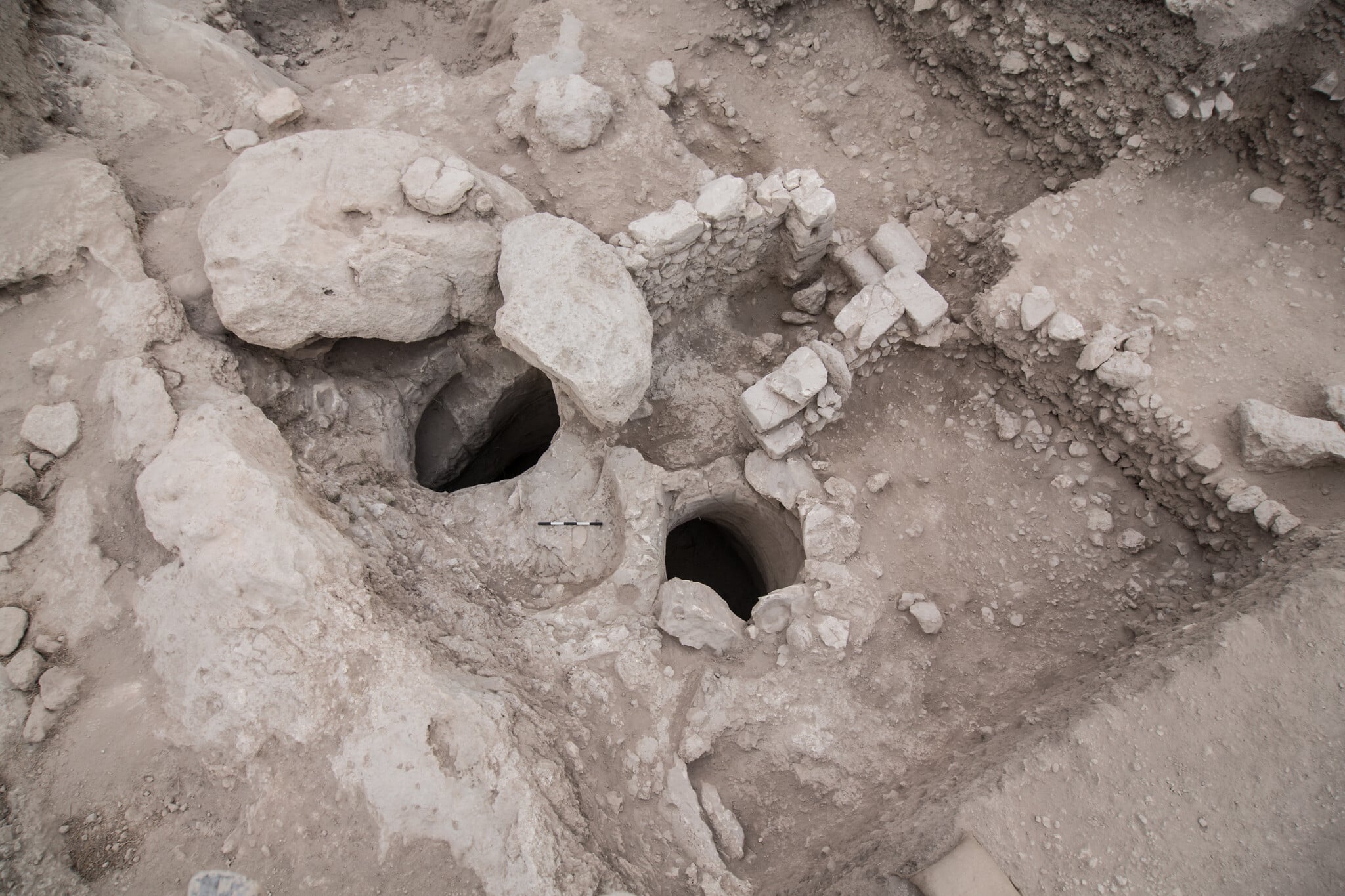
The discovery fills a significant gap in archaeological knowledge. Excavations of cemeteries from the Iron Age and Persian period had rarely turned up infant remains, a puzzle researchers had long struggled to explain. This find now suggests that communities in ancient Judah maintained separate burial practices for their youngest members, placing them in repurposed structures away from formal cemeteries.
Tel Azekah is identified by some scholars with the biblical city of Azekah, mentioned in Joshua 10:10 and other Old Testament passages as a fortified city in the Shephelah region of Judah.
The Crusader's Opinion
Every one of those 89 tiny souls was known by God before the foundations of the world were laid. In a culture that did not consider unweaned infants "fully formed social persons," the Lord of Heaven numbered every hair on their heads. Let that sink in. The ancient world threw its youngest into abandoned cisterns. Today, our civilization does worse, disposing of millions before they ever draw breath, and calls it progress. These bones cry out across 2,500 years with a truth our modern world desperately needs to hear: every life, from conception to natural death, bears the image of God.
Take Action
- Support archaeological research that illuminates the biblical world by donating to the Biblical Foundation for Research.
- Pray for the ongoing work of Israeli archaeologists as they uncover evidence that confirms and illuminates Scripture.
- Share this story with your church community to spark conversations about the sanctity of life from the ancient world to today.
- Support pro life ministries that defend the unborn by visiting www.TheShepherdsShield.org.