1,500 Year Old Christian Monastery Unearthed in Egypt Is Second Largest Ever Found
Egyptian archaeologists uncover a 1,500 year old monastic complex in the Nile Delta, identified as the second largest monastic site in Christian history.

Egypt Discovers Second Largest Christian Monastic Complex Ever Found in the Nile Delta
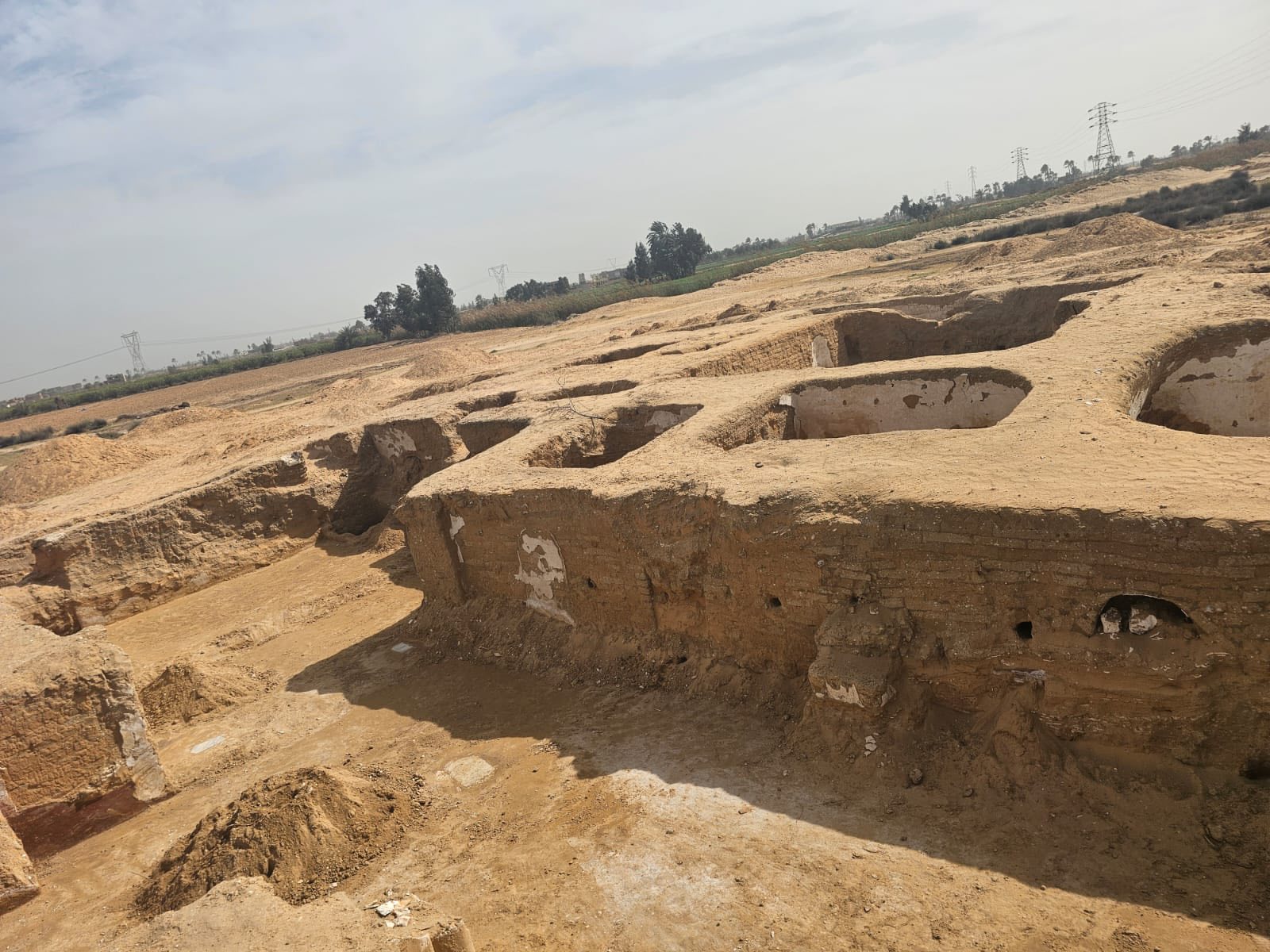
Egyptian archaeologists have uncovered a massive 1,500 year old monastic complex at the Al Qalaya site in Beheira Governorate, located in Egypt's Nile Delta region. The Ministry of Tourism and Antiquities announced the discovery on April 3, 2026, identifying it as the second largest known monastic gathering site in the entire history of Christian monasticism.
The excavation, led by an Egyptian mission from the Supreme Council of Antiquities and ongoing since 2023, revealed a fifth century reception building containing 13 rooms. These rooms served as individual and communal monastic cells, hospitality spaces, educational areas, a kitchen, and storerooms.
Hisham El Leithy, secretary general of the Supreme Council of Antiquities, described the site as representing "the earliest nucleus of monastery establishment" and demonstrating "the evolution of monastic architecture from solitary dwelling to communal housing."
In the northern section of the building, archaeologists discovered a large hall with stone benches decorated with botanical motifs, believed to have been used for receiving visitors and pilgrims. At the center of the structure sits a designated prayer area oriented eastward, preceded by a limestone carved cross.
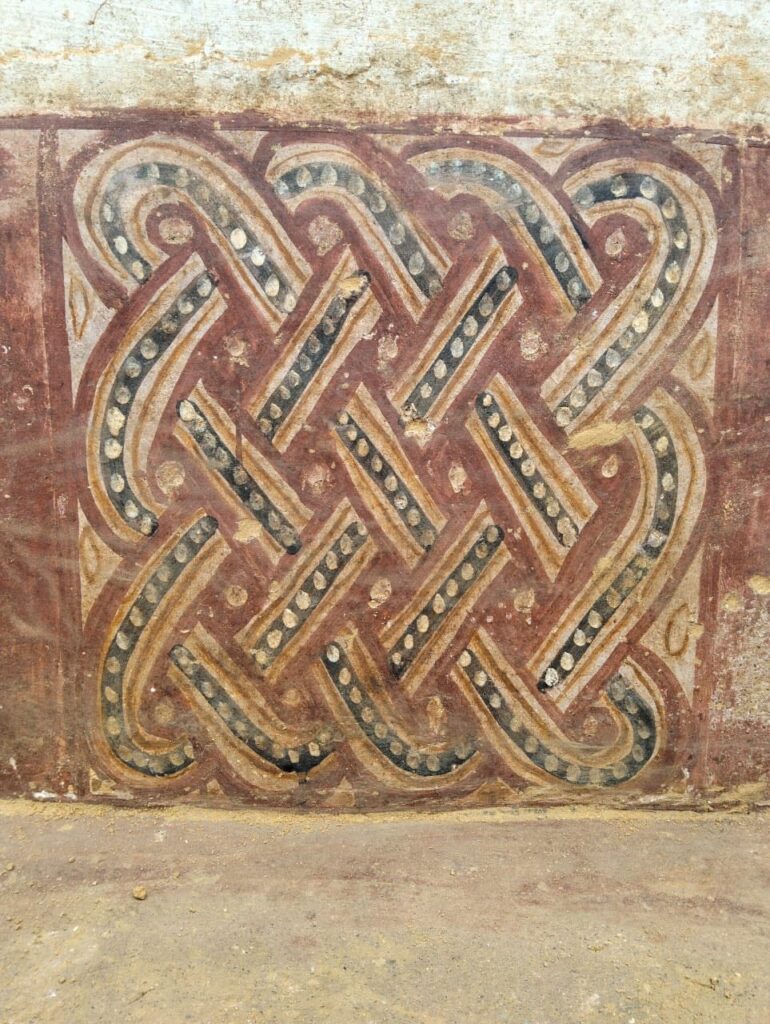
The artistic discoveries are particularly striking. Wall paintings depict monks alongside geometric and plant based decorations in red, white, and black. A remarkable mural shows two gazelles surrounded by vegetal motifs within a circular frame.
The site provides "historical and archaeological evidence about the nature of monastic life and artistic development in its earliest stages."
Hisham El Leithy, Secretary General of the Supreme Council of Antiquities
Among the recovered artifacts are a complete marble column measuring 2 meters in length, column capitals and bases, pottery fragments with Coptic inscriptions, bone remains of birds and animals, and a collection of oyster shells. A rectangular limestone funerary stele was also found, inscribed with text referencing "Apa Kyr, son of Shenouda," confirming continued human activity during the height of monastic life in the area.
Massive Fifth Century Coptic Monastery Challenges Assumptions About Early Christian Monasticism
The discovery is reshaping scholarly understanding of early Christian monasticism. While Upper Egypt has long been considered the center of early monastic life, the Al Qalaya complex demonstrates that the Nile Delta played a far more significant role than previously recognized. The site documents the critical transition from eremitic, or isolated, monasticism to organized communal monastic structures.
Samir Razaq Abdul Hafiz, head of the excavation mission, noted that the clusters of monastic cells found at the site, known as manshubiyyat, provide rare evidence of how monks gradually moved from solitary desert dwellings into structured communities that would become the model for Christian monasteries worldwide.
The Crusader's Opinion
This is what the world needs to see. While secularists try to erase Christianity from history, the very ground keeps crying out the truth. Fifteen hundred years ago, faithful monks built communities of prayer, hospitality, and devotion in the Egyptian desert, and the stones still testify. Egypt was a Christian land before Islam ever existed. The Coptic Christians are not some minority afterthought; they are the original people of that land. Every wall painting, every carved cross, every prayer room facing east is a witness that cannot be silenced. Remember these monks the next time someone tells you Christianity is a "Western religion." It was born in the East, and these ruins prove it.
Take Action
- Learn about the persecution of Coptic Christians in Egypt today and support their cause through Coptic Solidarity
- Support persecuted Christians in Egypt and across the Middle East through Open Doors
- Donate to help protect persecuted Christians worldwide at www.TheShepherdsShield.org
- Share this discovery on social media to spread awareness of Christianity's deep roots in Egypt and the Middle East
- Support the Voice of the Martyrs' work with Egyptian Christians at Voice of the Martyrs