Prince William Faith Crisis: Can a Quiet Christian Lead the Church of England?
Royal aides defend Prince William quiet faith as former Queen chaplain questions whether the future Supreme Governor truly believes in God.


Does Prince William Actually Believe in God? Royal Aides Rush to Defend His Christian Faith
Royal aides have moved to reassure the public about Prince William's personal Christian faith, as the future Supreme Governor of the Church of England faces growing scrutiny over his religious commitment.
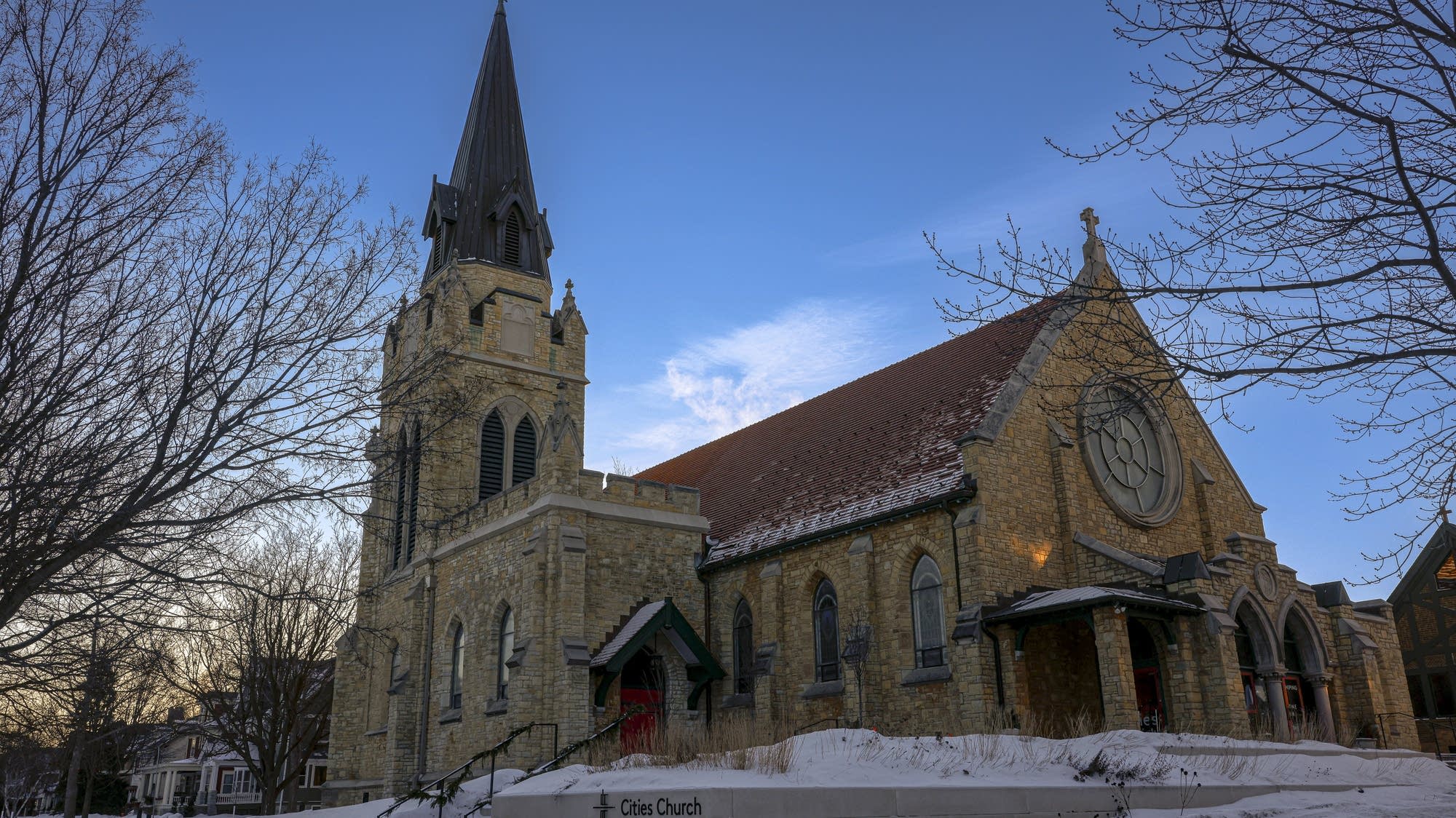
The intervention comes just days before the installation of Dame Sarah Mullally as the 106th Archbishop of Canterbury at Canterbury Cathedral on March 25, 2026, an event William and Catherine are attending on behalf of King Charles.
A royal aide told The Sunday Times that the Prince of Wales possesses a "quiet" faith, stating:
The Prince of Wales's commitment to the Church of England is sometimes quieter than people expect. Those who know him well recognise that his connection to the Church runs deep and is grounded in something personal and sincere.
Sources close to William elaborated on his position, saying his feeling is that he might not be at church every day but he believes in it, wants to support it, and considers it an important aspect of his current and future role, which he will take very seriously "in my own way."
However, the reassurance has not convinced everyone. A palace source previously told Robert Hardman, author of The Making of a King, that William's father is "a very spiritual person and happy to talk about faith, but the Prince is not." The source added that William "might go at Easter and Christmas, but that's it."
Gavin Ashenden, a former chaplain to the late Queen Elizabeth II, offered a blunt assessment.
William doesn't show any signs of being alive to the vibrancy of Christian faith.
Ashenden suggested that William should either accept the role of Defender of the Faith "as part of the burden of monarchy" or "step aside and abdicate."
The Prince of Wales, 43, has never publicly indicated holding any form of personal Christian faith, yet he is constitutionally destined to serve as both Defender of the Faith and Supreme Governor of the Church of England upon his accession to the throne.
Prince William's Quiet Faith Under the Spotlight Ahead of Archbishop Mullally's Historic Installation
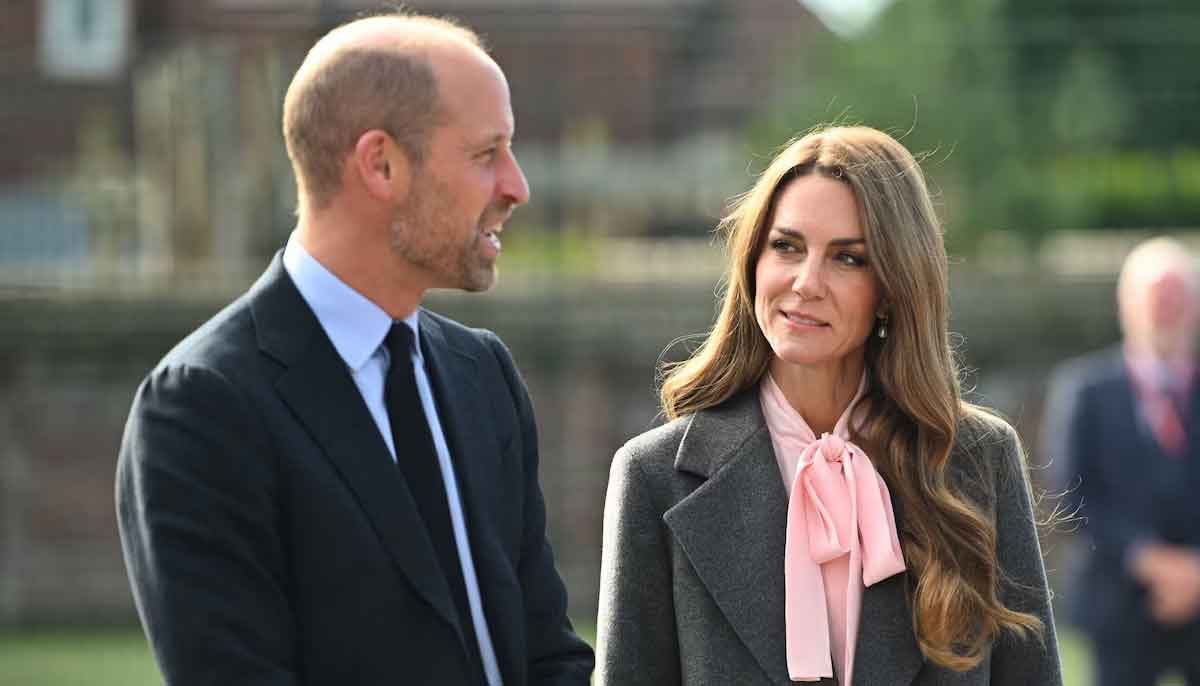
William and Catherine recently visited Lambeth Palace to meet with Mullally ahead of her historic enthronement, a meeting which Kensington Palace publicized as demonstrating the couple's engagement with the Church.
Dame Sarah Mullally, 63, makes history as the first woman to hold the office of Archbishop of Canterbury in its 1,400 year existence. Her installation ceremony will welcome over 2,000 guests, including the Prince and Princess of Wales and Prime Minister Sir Keir Starmer.
The Crusader's Opinion
If the man who will one day be the Supreme Governor of the Church of England cannot publicly profess his faith in Jesus Christ, then we have a serious problem. This is not about private devotion or "quiet faith." Every Christian is called to confess Christ before men. William's silence speaks volumes. The Church of England already stands on shaky ground, and a monarch who treats faith like an inconvenient formality rather than a living truth will only accelerate its decline. We need leaders who will stand boldly for Christendom, not hide behind palace aides crafting carefully worded press statements.
Take Action
- Pray for Prince William, that he would come to a genuine, living relationship with Jesus Christ and embrace his future role as Defender of the Faith with conviction.
- Write to Kensington Palace to respectfully encourage the Prince of Wales to publicly affirm his Christian faith: kensington.palace@royal.uk
- Support the Church of England's mission work and pray for Archbishop Sarah Mullally as she begins her historic tenure: www.churchofengland.org
- Donate to organizations defending the Christian faith worldwide: www.TheShepherdsShield.org
- Share this story with your church community and discuss what it means for the future of Christianity in Britain.