Iran in the Bible: Why Modern Day Persia Is Hidden in Plain Sight Throughout Scripture
Iran is back in the headlines and the nation's biblical roots stretch from Genesis through the New Testament


Iran in the Bible: How Modern Day Persia Is Woven Into Scripture From Genesis to Revelation
Iran dominates global headlines once again, but few realize the nation's biblical roots stretch back to the earliest chapters of Scripture. While the word "Iran" never appears in the Bible, the peoples and empires that occupied that land are written deeply into the biblical narrative.
According to a feature published by Christian Today on April 7, 2026, Iranians traditionally trace their ancestry to two grandsons of Noah. Madai is regarded as the father of the Medes, who settled in what is now northwest Iran. Elam, son of Shem, is named as the ancestor of the Elamites in southwest Iran.
King Chedorlaomer of Elam appears in Genesis 14, making the region one of the earliest named in Scripture. The Medes and Elamites would go on to play decisive roles in the story of Israel.
Following the Assyrian conquests between 730 and 720 BC, the northern tribes of Israel were deported. Scripture records they were placed "in Halah and in Habor by the river of Gozan, and in the cities of the Medes." Decades later, Babylonian King Nebuchadnezzar II besieged Jerusalem in 597 BC and scattered the people of Judah across his empire, including into Elam.
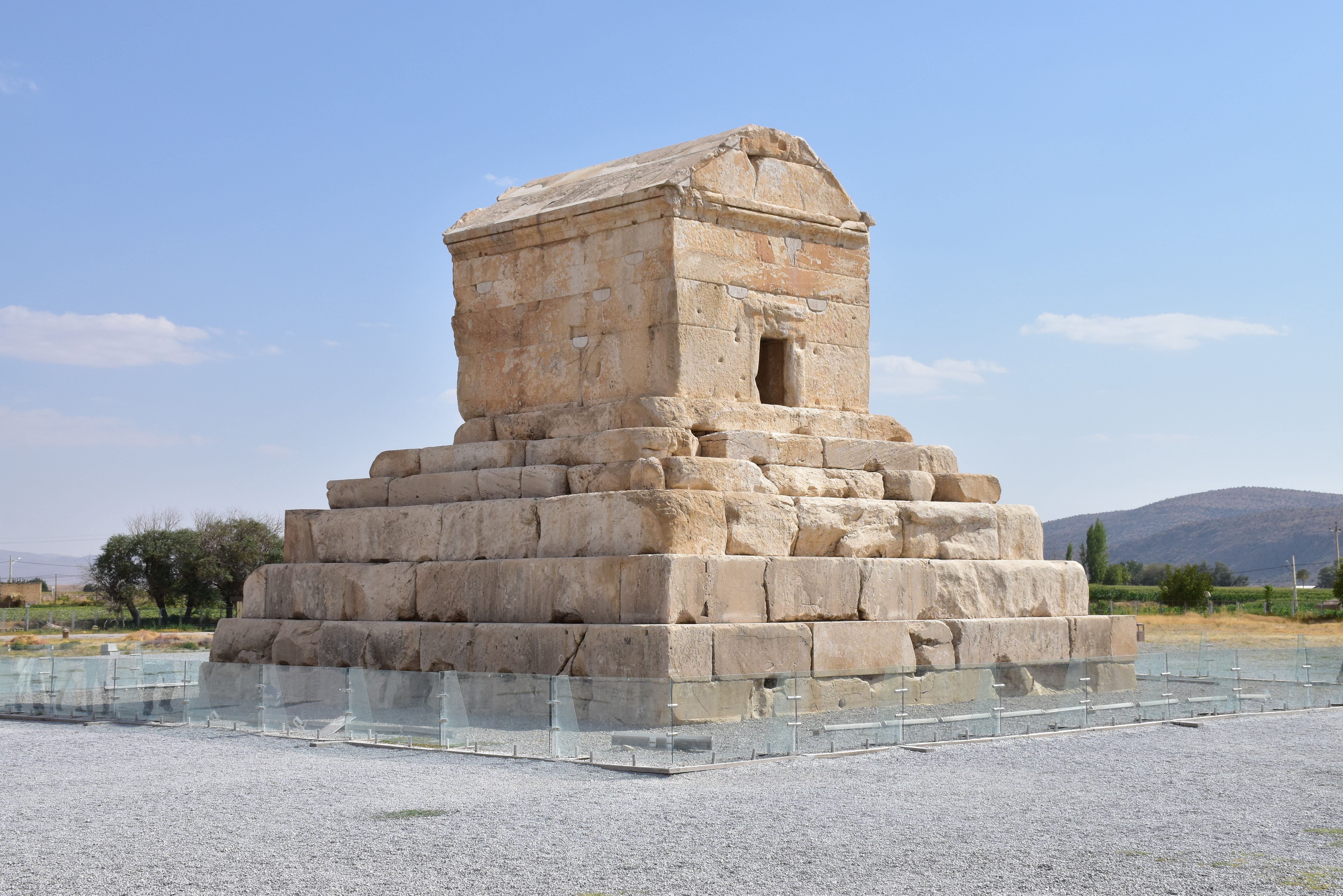
Then came one of the most remarkable figures in biblical history. King Cyrus the Great defeated the Medes in 539 BC and issued his famous decree around 538 BC permitting Jewish exiles to return home and rebuild the Temple in Jerusalem.
"Thus saith Cyrus king of Persia, The Lord God of heaven hath given me all the kingdoms of the earth; and he hath charged me to build him an house at Jerusalem." Ezra 1:2
His successors Darius and Xerxes are also named throughout Scripture. The Book of Esther unfolds in the Persian capital of Shushan in Elam, where Queen Esther saved the Jewish people from annihilation under King Xerxes.
The Biblical Roots of Modern Iran: From Elam and Persia to the Gospel
The story does not end in the Old Testament. At Pentecost in Acts 2, Luke records that visitors from Parthia, Media, and Elam were among those who heard the apostles speak in their own languages. They carried the Gospel back into the heart of ancient Persia.
Tradition holds that the Apostle Thomas himself brought Christianity to Parthia, planting the Mar Thoma churches that endure to this day. Historic Jewish, Christian, and Zoroastrian minorities still exist inside modern Iran, preserving traditions that span thousands of years.
The Crusader's Opinion
Make no mistake. The land we call Iran is holy ground. Cyrus the Great was called God's anointed by the prophet Isaiah, named 150 years before he was even born. Persia was used by the Almighty to free His people and rebuild His Temple. Now the same land is ruled by an Islamic regime that hangs Christians from cranes and locks pastors in Evin Prison for owning a Bible. The persecuted Iranian church is exploding underground, and it is the fastest growing church on earth. God has not forgotten Persia. Pray for Iran. Their salvation is written into the very bones of Scripture.
Take Action
- Donate to The Shepherd's Shield, which supports persecuted Christians worldwide: www.TheShepherdsShield.org
- Support Open Doors USA's work with the underground Iranian church: www.opendoorsus.org
- Give to Voice of the Martyrs to smuggle Bibles into Iran: www.persecution.com
- Pray daily for Iranian Christians, especially pastors imprisoned in Evin Prison
- Contact your Congressional representatives and demand they prioritize religious freedom for Iranian Christians in any future negotiations: www.congress.gov/members
- Share this article and teach your church about the biblical history of Persia and the modern Iranian revival